Occasions
Flowers for All Saints’ and All Souls’ Days in Germany
Germany · Nationwide
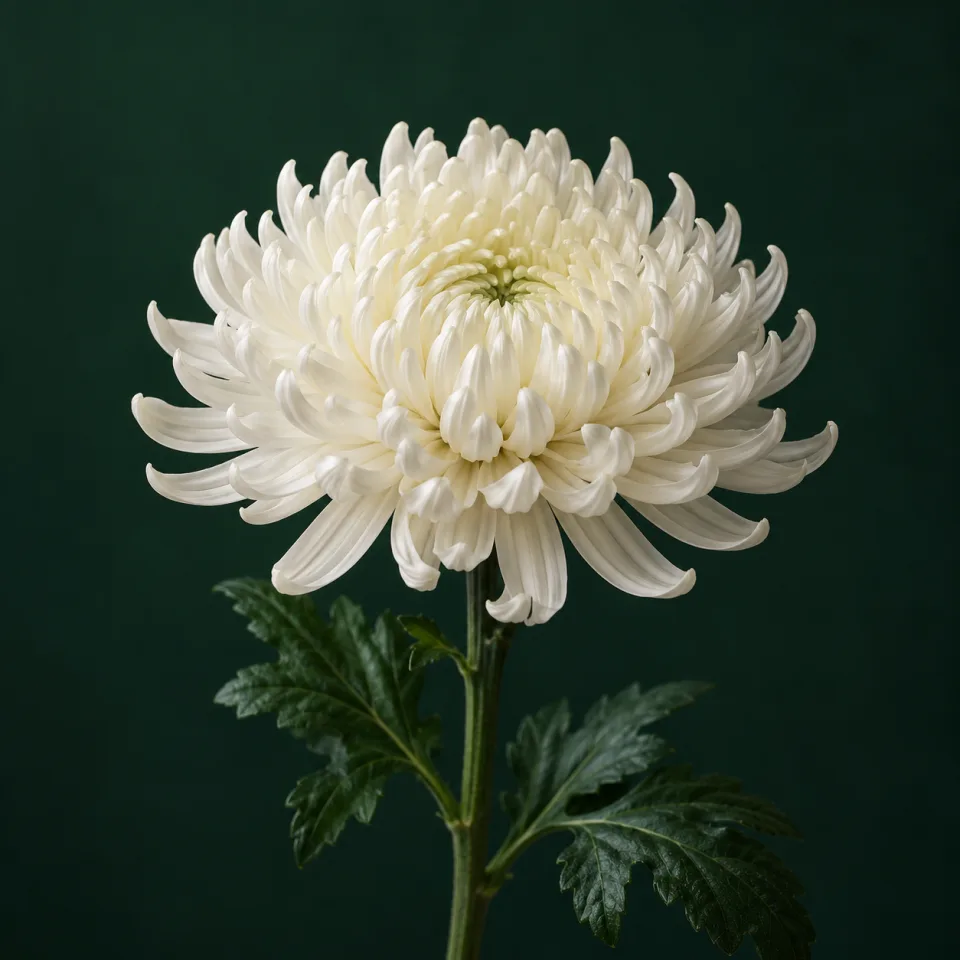
In Germany, Allerheiligen is All Saints’ Day on 1 November. Allerseelen remembers the dead on the 2nd. If your family wants to take flowers, ask about a small bouquet of chrysanthemums or carnations. Start by confirming where it will be placed and fit the order to the permitted container. This occasion covers both days and is separate from Totensonntag.
Upcoming calendar dates
Germany
- –
- –
- –
Agenda Floral, with you
Add it to your calendar
Subscribe to receive the changes we publish or download a copy with yearly repeats to import.
Use in Google Calendar or another calendar
Open Google Calendar on a computer. Beside “Other calendars”, click “+” and choose “From URL”. Paste the address below to add the subscription. You can then view that calendar on devices using your account.
Guide to adding Agenda Floral to Apple and Google Calendar
Apple or Google decide when to check for updates. We cannot guarantee that changes appear immediately. Importing the file gives you a copy that does not receive our future corrections. Importing again may duplicate events. We do not add alarms, although your calendar may apply its own alerts.
Two observances and a date for your visit
St. Maria Magdalena und Christi Auferstehung parish distinguishes remembrance of saints on 1 November from remembrance of the dead on the 2nd. Totensonntag belongs to the Protestant calendar and has its own guide. A family visit need not be moved from one observance to another.
This occasion records the period from 1 to 2 November. Choose when you want to go and check the parish programme separately if you will attend a service. The dates are included for their religious and remembrance context. The calendar does not provide shop closures or employment leave information.
Remembrance flowers without a required species
The Archdiocese of Cologne describes grave visits with flowers. We suggest starting with chrysanthemums for their shape or carnations for another petal texture. These are our alternatives rather than species required by the observance.
If a flower reminds you of the deceased, request it and agree on a change if it cannot be sourced for the visit. Ask what the family wants to take. Accompanying them without flowers may also be their preference.
A grave blessing and flower placement are separate matters
The Alsdorf community publishes grave blessings at several sites for 2026. Its programme shows why the specific service should be checked. A shared religious date does not set the same time or meeting point for every cemetery.
Tell the administration where the flowers will go and ask about its requirements. A blessing does not confirm permission to leave an arrangement at every grave or shared area. If you want to contribute flowers for a ceremony, agree that delivery separately with the parish.
Choose the size with the container in mind
Ask for the container’s dimensions and the available space before confirming the bouquet. If an arrangement is already there, ask the family what will remain. You can then order something that fits without taking another person’s space.
Ask what materials the base includes and how the flowers will be removed. Agree who will check the arrangement after the visit. A picture of the result can help confirm a remote order if the person preparing it agrees to send one.
An order for a visit in Germany
You could write: “We would like to take a small chrysanthemum bouquet on 2 November. This is our container and these are the grave’s dimensions. What can you prepare for collection that morning? If the main flower needs to change, I would like to agree beforehand.” Add the cemetery’s name if its requirements need checking.
If ordering from another city, confirm who will receive or place the flowers and what happens if access is unavailable. Agreeing on delivery does not authorise leaving the bouquet at the entrance. For a recent loss, the condolences guide covers the message and reception in that different situation.
Which flowers to choose
We suggest flowers that may suit each occasion. Where a custom is documented, we explain it separately. For a personal gift you can choose another flower if you know the recipient will like it more.
Guides to help with your decision
Which flowers to choose for condolences
Which sympathy flowers to choose, how to arrange delivery and what to write. Includes what to check when a funeral notice in Germany asks for donations instead of flowers.
How to care for a bouquet when it arrives
How to care for a bouquet on arrival and what to check if it looks limp. Water, stem cutting, flower food and different care needs within a mixed bouquet.

How to pack and transport a bouquet of flowers
How to pack and secure a bouquet on foot or in a car. Water, heat and arrival, plus flights and border requirements for Spain, Germany and Argentina.
Flowers for Totensonntag in Germany: date and tribute
Totensonntag falls on 22 November in 2026. Choose flowers for a cemetery visit and plan the order around the venue’s rules and the family’s wishes.
Frequently asked questions
Are Allerheiligen and Allerseelen the same day?
They are separate Catholic observances. All Saints’ Day is 1 November and All Souls’ Day is the 2nd. This occasion records both days as a period without adding service or blessing times.
Should I take flowers to the blessing or place them beforehand?
Ask the parish about the programme and the cemetery about placement conditions. Then agree with the family when to prepare the arrangement. Do not infer delivery time from the calendar date.
Do Ohlsdorf’s rules apply to every German cemetery?
Check the rules of your actual destination. The Totensonntag guide uses Ohlsdorf as an example for reviewing materials, but its requirements do not automatically apply to another cemetery.
Sources and what they support
- St. Maria Magdalena und Christi Auferstehung · Allerheiligen / Allerseelen
Distinguishes the Catholic dates of 1 and 2 November. Does not set local times.
- Erzbistum Köln · Allerseelen
Documents grave visits with flowers. Does not prescribe species, colour or format.
- GdG Alsdorf · Allerheiligen 2026
Publishes 2026 services and blessings at several sites. Does not establish recurring times.
How we put these guides together
We consult institutional sources to check dates and customs. For plant facts, we use horticultural sources. Our gift ideas start with each flower’s appearance and the recipient’s taste. A shop link documents a particular offer. It does not prove that a flower is popular or part of a tradition. We keep adding to this selection rather than claiming to cover every species.
Spotted something we should review? Contact Agenda Floral.